

 Koyot Agency
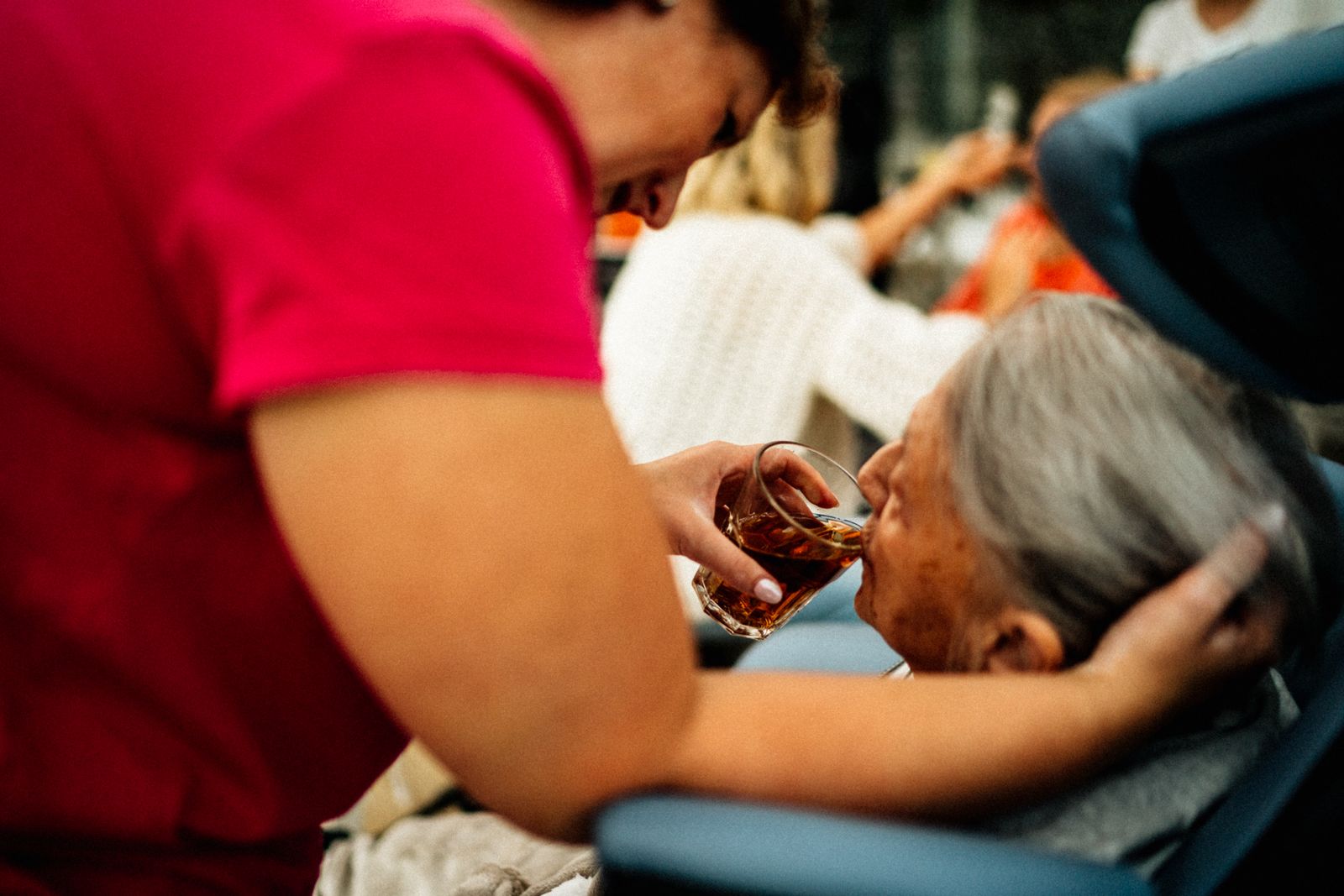
Healthcare and social care are among the most rewarding fields for an Erasmus+ work placement, but they are also among the most demanding to organise. Students work with real people who may be elderly, ill, young or vulnerable, so host organisations rightly have higher expectations around documents, hygiene, confidentiality and attitude. This guide explains what schools and students can realistically expect from a placement in Valencia, and how to prepare so that the experience is safe, useful and positive for everyone.
Where students are usually placed
Placements depend on the student’s course, level and language skills, and on what each host organisation is able to offer at that moment. Typical settings for VET learners in health and social care include:
- Residential homes and day centres for older people
- Centres and associations supporting people with disabilities
- Nurseries and early childhood education centres
- Pharmacies, physiotherapy practices and private clinics
- Community and social organisations working with families
Public hospitals are generally harder to access for short-term foreign trainees, so most placements take place in residential, community or private settings. These often give students more contact with residents and a clearer view of daily routines.
What students will actually do
Schools should set realistic expectations from the start. Interns are there to learn, and in care settings they work under supervision at all times. Clinical or invasive procedures are normally reserved for qualified staff. Depending on the setting, a student may help with:
- Accompanying residents during meals, walks and daily activities
- Supporting staff with personal care routines, where appropriate and supervised
- Preparing and leading simple leisure, memory or creative activities
- Observing how the team organises shifts, records and communication with families
- Helping children with play, routines and early learning activities
The exact tasks should be agreed in advance in the learning agreement, so that the student, the school and the host all share the same picture.
Documents to prepare early
Care placements usually require more paperwork than other sectors. Start gathering documents well before departure, as some take weeks to obtain or translate. Common requests include a CV and motivation letter, a vaccination record, and proof of health and liability insurance. Students from EU countries should also travel with their European Health Insurance Card.
For any placement involving regular contact with minors, organisations in Spain must ask for a certificate confirming that the person has no convictions for sexual offences. Foreign students generally provide an equivalent certificate from their home country, sometimes with a translation. Requirements can vary between organisations, so check them case by case.
Language, communication and confidentiality
In care work, communication matters as much as technical skill. Many residents and patients speak only Spanish or Valencian, so even a basic level of Spanish makes a real difference to the student’s confidence and to the quality of the relationship. Short preparatory lessons before or at the start of the stay are well worth it.
Students should also understand that confidentiality is taken seriously. Photos of residents, children or patients, and posts on social media about the workplace, are normally not allowed. Making this clear before departure avoids awkward situations later.
Attitude, hygiene and wellbeing
Host organisations value punctuality, discretion, a respectful manner and a willingness to help. Students should follow hygiene rules carefully, wear the clothing or uniform requested, and ask when they are unsure. Care work can also be emotionally intense, especially in settings with older or seriously ill people. It helps when students know who to talk to, both at the host organisation and within the local support team.
How Koyot Agency supports care placements
At Koyot Agency we match each student with a host organisation that fits their course and level, help schools prepare the necessary documents, and arrange accommodation, transfers and Spanish lessons at Koyot Academy. A named coordinator stays in touch with students and hosts throughout the mobility. To find out more about how we organise placements and support groups on site, take a look at our mobility services.